

Micronutrients refer to essential vitamins and minerals, categorized into macrominerals, trace minerals, and both fat- and water-soluble vitamins. While required in small amounts, they play a critical role in overall health, making a diverse and balanced diet key to meeting your body’s needs.
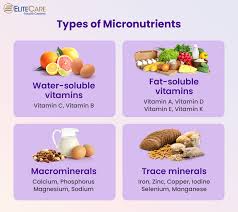
These nutrients support numerous physiological functions. Vitamins aid in energy metabolism, immune responses, blood coagulation, and more. Meanwhile, minerals are crucial for bone strength, growth, maintaining fluid balance, and several other bodily functions.
This article offers an in-depth guide to micronutrients, their classifications, benefits, and potential consequences of deficiency or overconsumption.
What Are Micronutrients?
Micronutrients include the essential vitamins and minerals your body must get from food because it cannot produce most of them on its own. Unlike macronutrients—such as carbohydrates, fats, and proteins—micronutrients are only needed in tiny amounts, which is why they’re termed “micro.”
Vitamins are organic substances made by living organisms (plants and animals), and they can break down under heat or exposure to air. Minerals, in contrast, are inorganic and derived from the earth—found in soil and water—and cannot be degraded.
When you consume food, you absorb the vitamins made by plants or animals and the minerals they absorbed from the environment.
Each food contains a different micronutrient profile, so it’s important to consume a variety of foods to meet daily requirements. These nutrients are essential for development, immunity, cognitive function, and disease prevention.
Categories and Functions of Micronutrients
Micronutrients fall into four primary groups: water-soluble vitamins, fat-soluble vitamins, macrominerals, and trace minerals. All of them work synergistically and are absorbed in similar ways by the body.
Water-Soluble Vitamins
These vitamins dissolve in water and are not stored long-term in the body, as any excess is excreted in urine. Therefore, regular intake through diet is crucial.
Key water-soluble vitamins and their roles:
-
Vitamin B1 (Thiamine): Aids energy production from nutrients
-
Vitamin B2 (Riboflavin): Supports fat metabolism and cell function
-
Vitamin B3 (Niacin): Helps convert food into usable energy
-
Vitamin B5 (Pantothenic Acid): Crucial for fatty acid creation
-
Vitamin B6 (Pyridoxine): Involved in red blood cell production and energy release
-
Vitamin B7 (Biotin): Supports metabolism of fats, proteins, and carbs
-
Vitamin B9 (Folate): Essential for cell growth and division
-
Vitamin B12 (Cobalamin): Key for nerve function and red blood cell formation
-
Vitamin C (Ascorbic Acid): Required for collagen synthesis and neurotransmitter production
Sources and Recommended Intakes:
| Nutrient | Common Food Sources | RDA (Adults 19+) |
|---|---|---|
| Thiamine (B1) | Whole grains, pork, fish | 1.1–1.2 mg |
| Riboflavin (B2) | Dairy, liver, eggs | 1.1–1.3 mg |
| Niacin (B3) | Meat, beans, leafy greens | 14–16 mg |
| Pantothenic Acid (B5) | Tuna, mushrooms, avocados | 5 mg |
| Pyridoxine (B6) | Milk, fish, potatoes | 1.3–1.7 mg |
| Biotin (B7) | Spinach, eggs, almonds | 30 mcg |
| Folate (B9) | Spinach, peas, liver | 400 mcg |
| Cobalamin (B12) | Shellfish, meat, dairy | 2.4 mcg |
| Vitamin C | Citrus, bell peppers, kale | 75–90 mg |
Fat-Soluble Vitamins
These vitamins require dietary fats for proper absorption and are stored in the liver and adipose tissue for future use.
-
Vitamin A: Promotes eye health and organ function
-
Vitamin D: Supports calcium absorption and bone strength
-
Vitamin E: Acts as an antioxidant and aids immune response
-
Vitamin K: Important for blood clotting and bone formation
Sources and Recommended Intakes:
| Nutrient | Common Sources | RDA (Adults 19+) |
|---|---|---|
| Vitamin A | Liver, dairy, carrots, spinach | 700–900 mcg |
| Vitamin D | Fish oil, fortified milk, sunlight | 15–20 mcg |
| Vitamin E | Almonds, seeds, wheat germ | 15 mg |
| Vitamin K | Leafy greens, pumpkin, soy | 90–120 mcg |
Macrominerals
These are minerals required in larger amounts for various body functions such as nerve transmission, fluid balance, and bone development.
-
Calcium: Vital for bone and dental health, muscle contraction
-
Phosphorus: Supports bone structure and cellular membranes
-
Magnesium: Involved in over 300 biochemical reactions
-
Sodium: Helps regulate fluids and blood pressure
-
Chloride: Assists digestion and fluid balance
-
Potassium: Essential for cellular hydration and heart rhythm
-
Sulfur: Integral part of certain amino acids and enzymes
Sources and Recommended Intakes:
| Nutrient | Common Sources | RDA/AI (Adults 19+) |
|---|---|---|
| Calcium | Dairy, broccoli, leafy greens | 1000–1200 mg |
| Phosphorus | Turkey, yogurt, seafood | 700 mg |
| Magnesium | Beans, cashews, almonds | 310–420 mg |
| Sodium | Salt, canned goods | 1500 mg |
| Chloride | Seaweed, celery, table salt | 1800–2300 mg |
| Potassium | Bananas, lentils, squash | 2600–3400 mg |
| Sulfur | Onions, garlic, eggs | No official RDA |
Trace Minerals
Needed in very small amounts, these minerals are still essential for health and bodily function.
-
Iron: Carries oxygen in the blood and aids hormone production
-
Manganese: Supports metabolism of carbs and amino acids
-
Copper: Needed for nervous system and tissue integrity
-
Zinc: Assists in healing and immune system performance
-
Iodine: Required for thyroid hormone production
-
Fluoride: Important for dental and skeletal strength
-
Selenium: Provides antioxidant protection and supports thyroid
Sources and Recommended Intakes:
| Nutrient | Common Sources | RDA (Adults 19+) |
|---|---|---|
| Iron | Spinach, beans, shellfish | 8–18 mg |
| Manganese | Nuts, pineapple, grains | 1.8–2.3 mg |
| Copper | Cashews, liver, seafood | 900 mcg |
| Zinc | Chickpeas, shellfish, dairy | 8–11 mg |
| Iodine | Seaweed, cod, yogurt | 150 mcg |
| Fluoride | Tap water, crab, tea | 3–4 mg |
| Selenium | Brazil nuts, sardines | 55 mcg |
Why Micronutrients Matter
Micronutrients are involved in virtually every biological process. Many serve as antioxidants that protect your cells from oxidative stress, potentially lowering your risk for chronic conditions such as cancer, obesity, and cardiovascular disease.
Some examples of their protective effects:
-
Adequate vitamin A and vitamin C may help reduce cancer risk
-
Iron and copper may delay Alzheimer’s progression
-
Higher selenium levels have been associated with a lower risk of heart disease
Deficiencies and Toxicity Risks
Although micronutrient deficiencies are more common, consuming too much—especially from supplements—can also be harmful.
Common Deficiencies
-
Vitamin D: Often low in populations with limited sun exposure
-
Vitamin B12: Common in vegetarians, vegans, and the elderly
-
Vitamin A: Particularly lacking in developing nations
-
Iron: Affects children, menstruating women, and vegans
-
Calcium: Frequently insufficient in older adults
Toxicity Risks
Excessive intake of fat-soluble vitamins (A, D, E, K) poses greater toxicity risks since they’re stored in the body. Overuse of supplements is the most common cause of toxicity, rather than food sources.
Supplements: Use with Caution
The best way to meet your micronutrient needs is through a varied and nutrient-rich diet. Supplements may be helpful for individuals at risk of deficiency but should be taken under professional guidance.
Look for third-party-tested supplements and avoid products with overly high doses unless prescribed by a healthcare provider.
Conclusion
Micronutrients—comprising essential vitamins and minerals—are indispensable for good health. They play a vital role in everything from immune defense and growth to bone strength and disease prevention.
A balanced, varied diet remains the most effective way to obtain all the essential micronutrients your body needs to thrive.
