

Protein is one of the three essential macronutrients your body relies on, along with fats and carbohydrates. It plays a vital role in muscle development, tissue repair, hormone production, and overall health.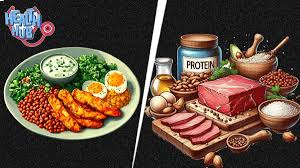
Although many nutritional guidelines suggest moderate protein consumption, the actual amount you need varies depending on your age, physical activity, muscle mass, and general health.
According to the U.S. FDA, most adults should aim for about 50 grams of protein per day, though personal needs can be higher based on lifestyle and health status.
This guide explores how protein requirements shift depending on your goals, such as weight management, muscle gain, pregnancy, or aging.
What Is Protein and Why Does It Matter?
Protein is a key structural component in your body, used to build and maintain muscles, organs, skin, and even enzymes and hormones.
Proteins are made of amino acids. Your body produces some of them, but others—called essential amino acids—must come from food.
Animal products like meat, eggs, and dairy typically provide all essential amino acids. While plant-based diets may lack some amino acids, combining various plant foods—or using vegan protein supplements—can help meet daily needs effectively.
Protein and Weight Loss
Protein can be highly effective in supporting fat loss. It helps reduce hunger, lowers cravings, and can slightly boost the number of calories your body burns throughout the day.
Research from 2020 shows that higher-protein diets support more sustained weight loss, lower the risk of regaining weight, and may help prevent obesity-related health issues.
Protein and Muscle Growth
Muscles are constantly undergoing breakdown and repair. To grow muscle, you need to consume enough protein to exceed the amount your body breaks down.
That’s why individuals focused on strength training often increase protein intake. A 2018 study found that consuming around 1.6 grams of protein per kilogram of body weight per day supports muscle growth when combined with resistance exercise.
Protein During Pregnancy
During pregnancy, protein needs increase significantly to support the growing baby and maternal body changes.
The USDA Dietary Guidelines recommend around 70 grams of protein per day for pregnant individuals, typically accounting for 10–35% of total calorie intake.
People who are breastfeeding also require more protein. Lean meats, eggs, dairy, legumes, and low-mercury fish like sardines and salmon are great options. Avoid high-mercury fish such as swordfish, shark, and king mackerel.
Other Factors That Raise Protein Needs
Anyone with a physically active lifestyle—from manual labor to endurance sports—will need more protein than someone who is mostly sedentary.
Older adults also benefit from increased protein consumption. Experts recommend 1.0 to 1.2 grams of protein per kilogram of body weight per day to help prevent muscle loss and bone density issues like osteoporosis and sarcopenia.
Is Eating Too Much Protein Harmful?
There’s a common myth that high-protein diets harm your kidneys. While those with pre-existing kidney disease may need to moderate their intake, there’s no evidence that high protein intake is harmful to healthy individuals.
In fact, most people can safely consume more protein than the standard recommendation, especially if they lead an active lifestyle.
Best Sources of Protein
Protein can come from both animal and plant-based sources, including:
-
Lean meat and poultry
-
Fish and seafood
-
Eggs
-
Dairy (milk, cheese, Greek yogurt)
-
Beans and lentils
-
Tofu, tempeh, and other plant-based meat alternatives
-
Quinoa
-
Nuts and seeds
You don’t need to count every gram—just aim to include a protein source in every meal.
What Does “Grams of Protein” Actually Mean?
Many people confuse the weight of food with the actual protein content.
For example:
-
An 8-ounce steak (226 grams) contains about 61 grams of protein.
-
A large egg (46 grams) provides roughly 6 grams of protein.
So when labels mention protein in grams, they’re referring to the nutrient itself—not the total food weight.
How Much Protein Does the Average Person Need?
For most adults with a moderate activity level, protein should make up 10–35% of total daily calories. On a 2,000-calorie diet, that’s around 50 to 175 grams of protein per day.
Since there’s strong evidence of benefits and little to no risk, it’s usually wise to aim for the higher end of that range—especially if you’re active, aging, or trying to build or maintain muscle.
Final Thoughts
Protein is essential for your body to function well. It supports muscle maintenance, metabolism, immune health, and much more.
While 50 grams per day is a general recommendation, your exact needs depend on your body size, lifestyle, health status, and personal goals.
By including a variety of high-quality protein sources in your meals, you can easily meet your body’s needs and stay healthy in the long run.
