

Fenugreek, a popular herb with a range of potential health benefits, is often used to boost breast milk production, enhance testosterone levels, and help manage blood sugar. While it’s also been linked to other positive effects, further research is still needed to confirm some of these claims.
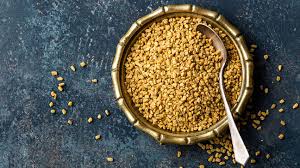
What is Fenugreek?
Fenugreek (scientifically known as Trigonella foenum-graecum) is a plant that grows about 2–3 feet (60–90 centimeters) tall, featuring green leaves, small white flowers, and pods that contain tiny golden-brown seeds.
For thousands of years, fenugreek has been a staple in alternative medicine practices and Chinese healing. It’s often used to treat various skin conditions, among other ailments. In addition to its medicinal uses, fenugreek is a common spice in Indian cuisine and is frequently added to products like soap and shampoo.
Its seeds and powder are known for their nutritional value and slightly sweet, nutty flavor, making them a popular ingredient in many dishes.
Nutritional Profile
A single tablespoon (11 grams) of whole fenugreek seeds provides the following nutritional benefits:
-
Calories: 35
-
Fiber: 3 g
-
Protein: 3 g
-
Carbs: 6 g
-
Fat: 1 g
-
Iron: 3.72 mg (21% of Daily Value)
-
Manganese: 0.137 mg (6% of Daily Value)
-
Magnesium: 21.2 mg (5% of Daily Value)
How to Use Fenugreek
Fenugreek is available in many forms, most commonly as supplements. The appropriate dosage depends on the specific formulation you’re using, as well as your health goals. There is no standard dose for fenugreek, and recommended amounts vary according to the intended benefit.
-
For testosterone-boosting studies, dosages typically range from 250–600 mg of fenugreek extract.
-
Research on breast milk production has used doses between 1–6 g.
-
Studies focused on cholesterol and blood sugar management suggest that 5–25 g of fenugreek may be most effective.
Fenugreek’s Impact on Breast Milk Production
Breast milk is crucial for a baby’s growth and development, but some new mothers struggle with adequate milk production. While prescription medications are often used to increase milk supply, fenugreek may serve as a natural and effective alternative.
In one 14-day study, mothers who drank herbal tea containing fenugreek seeds experienced a boost in breast milk production, which led to babies gaining more weight. Another study found that mothers who consumed fenugreek tea produced significantly more milk compared to those in the placebo and control groups.
While these studies suggest promising results, it’s always advisable to consult a healthcare provider before starting fenugreek or any other supplement if you’re experiencing low milk production.
Fenugreek and Testosterone Levels in Men
Fenugreek is also popular among men looking to increase their testosterone levels.
Several studies suggest that fenugreek can have positive effects on testosterone, sexual function, and libido. For example, one study found that taking 300 mg of fenugreek twice a day for eight weeks increased testosterone levels significantly in men who also engaged in resistance training. Participants also experienced fat loss without compromising muscle strength.
Another study observed improvements in strength and sexual function after 600 mg of fenugreek extract was taken daily for six weeks.
In a 2020 study, a group of 138 men who took either 600 mg or 300 mg of Testofen (a fenugreek-derived supplement) showed improvements in testosterone levels, body fat, and lean mass. While these results are promising, further research is still necessary to fully understand fenugreek’s effects on testosterone.
Fenugreek’s Role in Blood Sugar Control
Fenugreek has been studied for its potential to help with diabetes management. In one study, people with type 2 diabetes who took 5 grams of fenugreek seed powder twice daily for two months saw reductions in fasting blood sugar levels, body fat, body mass index (BMI), and hemoglobin A1c (a key marker for blood sugar control).
Fenugreek’s high fiber content is believed to help manage blood sugar levels, not just for those with diabetes, but for anyone looking to stabilize blood sugar. Research suggests that substituting 10% of refined flour in baked goods with fenugreek powder could help lower blood sugar levels in people without diabetes.
Additional Potential Health Benefits
Fenugreek has a history of use for treating a wide range of conditions, though many of these applications have not been thoroughly studied in clinical trials.
Some early research indicates that fenugreek may:
-
Control appetite: Some studies suggest that fenugreek could help reduce appetite, with one trial noting a 17% decrease in fat intake.
-
Lower cholesterol: There is some evidence to suggest fenugreek may help reduce cholesterol and triglyceride levels.
-
Alleviate heartburn: A pilot study found that fenugreek was as effective as antacid medications in reducing heartburn symptoms.
-
Fight inflammation: Animal studies show fenugreek may have anti-inflammatory properties, but more research is needed in humans.
In traditional medicine, fenugreek has also been used to improve metabolism, treat digestive issues, and support overall health, although these uses have not been extensively researched.
How to Use Fenugreek
Fenugreek can be taken in various forms, including as a supplement, tea, or powder. Doses vary depending on the intended benefit:
-
Testosterone support: Research suggests a range of 250–600 mg of fenugreek extract.
-
Breast milk production: Studies indicate a range of 1–6 g of fenugreek.
-
Blood sugar and cholesterol: Higher doses, ranging from 5 g to 25 g, are commonly studied.
To improve blood sugar control, consider taking fenugreek with meals, especially the ones that contain more carbohydrates. Always follow the instructions on the product label and consult a healthcare provider if you’re unsure about the appropriate dosage.
Safety and Side Effects
Fenugreek is generally safe for most people, but like all supplements, it may cause some mild side effects. These can include:
-
Diarrhea and indigestion
-
A reduced appetite, which might not be ideal for individuals trying to gain weight
-
A slightly sweet body odor, although this effect has not been fully confirmed
Because fenugreek may lower blood sugar, it should be used with caution by those who are on diabetes medications or other blood sugar-lowering treatments.
Very high doses of fenugreek, especially over prolonged periods, may lead to more severe side effects, including:
-
DNA damage
-
Decreased fertility
-
Neurological issues
-
Increased risk of miscarriage
Though these side effects are mostly observed in animal studies and with unusually high doses, it’s best to stick to recommended doses and consult a medical professional before starting fenugreek supplementation.
Final Thoughts
Fenugreek is a versatile herb with a rich history in alternative medicine. Available research supports its use for improving blood sugar levels, boosting testosterone, and promoting breast milk production. It also shows promise in reducing cholesterol, alleviating inflammation, and helping with appetite control, but more studies are needed in these areas.
As with any supplement, it’s essential to follow the recommended dosages and consult with a healthcare professional to ensure it’s safe for you, especially if you have underlying health conditions or are taking other medications.
