

Discussions about the ideal human diet can quickly become passionate, especially when it comes to meat consumption. Some people argue that humans are biologically meant to eat meat, while others believe we’re better off without it — drawing on evolutionary theories, health data, or ethical views.
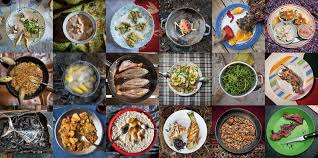
Depending on who you ask and their personal background, you might get answers that range from universal to deeply individual.
This article explores various perspectives on whether meat truly belongs in the human diet.
Are Human Bodies Built to Eat Meat?
To survive and adapt, all species — humans included — continuously respond to changes in their environment, food sources, and living conditions.
Genetic research dating back 300,000 years shows that humans have always evolved in response to their surroundings (1Trusted Source).
Because our biology is constantly adapting, the argument that we must stick to the foods our bodies were “originally” meant to eat doesn’t fully hold up.
While the earliest ancestors of animals, including mammals, were likely carnivorous (meat-eaters), many species have evolved to be herbivorous (plant-eaters) over time (2Trusted Source).
In humans, dental anatomy suggests an omnivorous diet — one that includes both plant and animal foods (3Trusted Source).
We have sharp canine teeth, like carnivores, for tearing meat, and flat molars and incisors, similar to herbivores, for grinding and chewing plant matter.
What Does Human Biology Indicate?
Humans can consume a wide variety of plant-based foods — seeds, roots, fruits, vegetables, and more. However, our digestive systems aren’t able to completely break down every component of plants.
That’s because we lack the enzyme cellulase, which is needed to digest cellulose, hemicellulose, and lignins — all found in the plant cell wall (4Trusted Source).
Unlike herbivores like cows and goats, who rely on gut bacteria that produce cellulase, humans do not have these specific bacteria in sufficient amounts (5Trusted Source, 6Trusted Source).
In contrast, the human body does produce all the necessary enzymes — like protease and lipase — for digesting meat (7Trusted Source).
The size and function of an animal’s digestive tract typically reflect its diet and gut microbes. Carnivores, who eat calorie-rich foods, tend to have shorter digestive systems, while herbivores have longer guts to help extract nutrients from low-calorie, fiber-heavy plants (8Trusted Source).
Since humans eat both plants and meat, our digestive tract is of intermediate length — a sign of our omnivorous nature (9Trusted Source, 10Trusted Source).
Do We Need Meat for Good Nutrition?
While plant-based foods offer a wide range of nutrients, some are either absent or less accessible without animal products.
Vitamin B12 is one such nutrient. Essential for nerve function and red blood cell formation, B12 isn’t found in plant foods, so those on vegan diets often need supplements (11Trusted Source, 12Trusted Source).
Other nutrients like vitamin D3, creatine, and omega-3 fatty acids (such as DHA and EPA) are also limited in plant foods. Although your body can make small amounts of these nutrients, it does so inefficiently (13Trusted Source).
As a result, vegans and vegetarians often have lower blood levels of omega-3s — which is why algae-based omega-3 supplements are commonly recommended (14Trusted Source, 15Trusted Source, 16Trusted Source, 17Trusted Source).
It’s also worth noting that you don’t have to eat meat to get these nutrients — lacto-vegetarian diets (which include dairy), ovo-vegetarian diets (which include eggs), and pescatarian diets (which include fish) can provide many of them.
That said, vegetarians and vegans may be at risk for low intake of iron, since plant-based sources of iron are less easily absorbed (18Trusted Source, 19Trusted Source, 20Trusted Source).
Other nutrients that may be harder to get on a fully plant-based diet include protein, iodine, zinc, and calcium — which is why careful planning and supplementation are important (21Trusted Source, 22Trusted Source, 23Trusted Source, 24Trusted Source).
Health Outcomes of Mixed vs. Plant-Based Diets
Although meat can be a valuable source of nutrients, consuming too much of certain types — especially processed meats — has been associated with higher risks of diseases like colorectal cancer and overall mortality (25Trusted Source, 26Trusted Source, 27Trusted Source, 28Trusted Source).
On the other hand, studies consistently show that vegetarian and vegan diets may lower the risk of heart disease and could also offer some protection against cancer, though research is still ongoing (29Trusted Source, 30Trusted Source, 31Trusted Source, 32Trusted Source).
While a plant-based diet can meet all nutritional needs, it requires proper planning to avoid deficiencies (33Trusted Source).
The Role of Food Culture in Meat Consumption
The dishes and food habits you inherit from your family or community are often shaped by geography, religion, tradition, and local food availability — all of which contribute to what’s known as food culture.
In many cultures around the world, meat plays a central role in cuisine and celebration.
These cultural practices are not just about nutrition; they help build community, preserve history, and reinforce identity. For people raised in meat-eating traditions, those meals can carry deep emotional meaning.
So, whether you choose to include or avoid meat can also depend on your cultural background and personal connection to food (34Trusted Source).
Final Thoughts
Humans are biologically equipped to consume and digest meat — but that doesn’t mean eating meat is essential for survival.
Ultimately, humans are complex beings with social, cultural, ethical, and nutritional considerations all influencing our food choices.
Whether you eat meat or follow a plant-based lifestyle is a personal decision. Some may choose a vegetarian or vegan path for health, ethics, or the environment. Others may continue to enjoy traditional dishes that include meat for cultural or emotional reasons.
There’s no universal right or wrong answer — just what’s right for you.
