

A recent study has found that eating protein—whether it comes from plants or animals—does not increase the risk of early death. Surprisingly, researchers even observed a slight reduction in cancer-related mortality among those who consumed more animal protein.
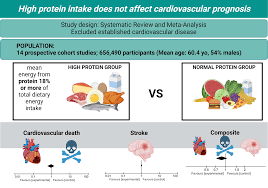
This new research adds a fresh perspective to the long-running discussion around the safety of animal-based proteins. While some past studies raised concerns about diets rich in meat, eggs, or dairy being linked to cancer or heart disease, the latest analysis suggests these worries may not apply to most people consuming typical diets.
Large-Scale Analysis Sheds Light on Protein and Longevity
The findings stem from data in the Third National Health and Nutrition Examination Survey (NHANES III), which tracked over 15,000 U.S. adults aged 19 and up. Participants were followed for 12 years to monitor death rates, including those caused by heart disease and cancer.
To overcome the common pitfalls in dietary research—like day-to-day changes in food intake and unreliable self-reporting—the research team used a multivariate Markov Chain Monte Carlo (MCMC) model. This sophisticated method allowed them to better estimate each person’s typical protein intake and to differentiate between animal-based (meat, dairy, eggs) and plant-based (grains, legumes, nuts) protein sources.
The researchers also considered levels of insulin-like growth factor 1 (IGF-1), a hormone previously thought to be linked to cancer and mortality. By integrating IGF-1 data with diet information, they aimed to explore any underlying biological links between protein intake and death risk.
They adjusted the findings to account for several lifestyle and health factors—including age, sex, smoking habits, physical activity, and total calorie consumption—to isolate the specific effects of protein intake.
No Evidence That Protein Shortens Lifespan
The study revealed no significant link between consuming more protein—regardless of whether it came from animals or plants—and early death from any cause. This held true across overall mortality, cancer-related deaths, and cardiovascular-related deaths.
In fact, individuals with higher animal protein intake showed a slightly lower risk of cancer-related death.
Adding IGF-1 levels into the mix didn’t change the results. The hormone did not appear to influence mortality risk in any significant way, challenging some earlier studies that had flagged it as a concern.
Interestingly, the findings remained consistent across all age groups, from younger adults to seniors. Previous research had suggested that protein might be more harmful for middle-aged people, but this study didn’t support that idea.
The researchers speculated that differences in research methods may explain why older studies reached different conclusions. The new study’s use of more accurate modeling and better group balancing likely contributed to its more reliable findings.
Overall, the data suggests that typical levels of protein intake—regardless of source—are not associated with a shorter lifespan.
What This Means for Protein Recommendations
According to Avery Zenker, a health writer for MyHealthTeam (not involved in the study), the findings don’t suggest any need to change current dietary guidelines.
“The study showed that consuming more than the minimum recommended amount of 0.8 grams of protein per kilogram of body weight doesn’t appear to reduce lifespan,” Zenker told Healthline. Higher intakes were still well within the accepted range of 10–35% of total daily calories.
She added that people should plan protein intake based on personal health goals—such as maintaining muscle mass, feeling full, or managing medical conditions.
Zenker cautioned, however, that not all protein sources are equally healthy. “While the study shows total protein intake isn’t harmful, past research clearly links high consumption of processed meats to conditions like heart disease and certain cancers,” she noted.
She also pointed out that observational studies like this one can’t prove cause and effect. “Other lifestyle factors could still influence the results,” she said, adding that the findings are still valuable in shaping our understanding of long-term eating habits.
Additionally, Zenker highlighted that protein-rich foods provide more than just protein—they contain other nutrients such as fats, vitamins, minerals, fiber, and plant compounds that also influence health.
Tailoring Protein Intake to Individual Needs
Maura Donovan, a board-certified sports dietitian and Medical Education Specialist for Sports Nutrition at Thorne (not affiliated with the study), emphasized that protein needs vary from person to person.
“For older adults, increased protein can help maintain muscle and support daily functioning,” she said.
Athletes also require more protein for muscle recovery, while individuals recovering from illness or injury may need extra intake to support healing and immune function.
Vegetarians and vegans, Donovan added, should eat a variety of plant proteins to ensure they’re getting all the essential amino acids their bodies need.
Working with a registered dietitian can help you figure out exactly how much protein you should be eating. The Academy of Nutrition and Dietetics offers a directory of certified professionals for personalized guidance.
