

Eating well doesn’t mean strict regimens; small shifts add up. Aim to fill your meals and snacks with nourishing choices, and cut back on overly processed foods.
Healthy eating should be satisfying—not stressful. You shouldn’t have to count every calorie, weigh everything, or feel guilty about the foods you love. Food is for living, not just tracking.
Here’s what “healthy eating” really means — and how to make it doable for you.
Why Eating Well Matters
What you eat powers your body. If your diet falls short in calorie or nutrient content, it can harm your health. Eating too much, meanwhile, can lead to weight gain and raise risks for:
-
Type 2 diabetes
-
Sleep apnea
-
Heart disease
-
Liver and kidney issues
The quality of your food matters just as much as the quantity. Diets high in ultra-processed foods are linked with higher death rates and greater risk of illness, including cancer and cardiovascular disease. On the flip side, diets full of whole, unrefined foods—like the Mediterranean style—are tied to longer lives and better protection against disease.
What you eat also affects your mental health. Relying heavily on ultra-processed items, especially if you’re inactive, seems associated with more depressive symptoms.
If your meals mostly come from processed foods and your intake of vegetables, fish, nuts, and whole foods is low—you may be missing vital nutrients needed for overall health.
No Need for a “One-Size-Fits-All” Diet
You don’t need a specific named diet to eat well, unless for medical reasons. Healthy eating is more about including mostly good-for-you foods than avoiding everything else.
What that looks like will depend on things like culture, money, personal preferences, and access to food. What’s “healthy” for you might look different than someone else’s ideal.
Core Principles of Healthy Eating
1. Nutrient Density First
Calories count, but nutrients matter just as much—if not more. Nutrient-dense foods deliver a lot of protein, fiber, vitamins, and minerals relative to their caloric content.
Not all high-calorie foods are “bad,” and low-calories aren’t always wonderful. For example:
-
Egg whites are low in fat and calories but also provide very little of certain nutrients.
-
Whole eggs provide more vitamins, minerals, and healthy fats—even if they have more calories.
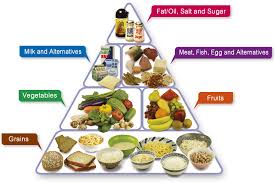
Foods rich in nutrients include vegetables, fruits, whole grains, legumes, eggs, fatty fish, nuts, seeds, and healthy oils. They should make up the base of your meals.
2. Variety in Your Diet
Eating a range of different foods benefits your gut health, supports a healthy weight, and helps reduce disease risk. Exposing yourself to new foods (even ones you think you might not like) can slowly broaden your palate.
If you’re picky or just not used to a lot of vegetables or whole foods, pick one new item and incorporate it once a day. Build up from there.
3. Balance Between Carbs, Fats, and Protein
These three macronutrients are the main sources of energy in your diet. A balanced meal will often contain all of them. For example, pairing fruit (carbs) with nut butter or cheese (protein/fat) helps you stay fuller longer than eating fruit alone.
You don’t need to track every gram unless you have a specific health or fitness goal. Overdoing macro counting can lead to anxiety around food.
4. Limit Ultra‑Processed Foods
To eat healthier, reduce how much you consume of ultra-processed foods—those high in added sugar, salt, refined starches, and low in whole-food ingredients. Common examples include sugary drinks, mass-produced snacks, and prepackaged convenience meals.
That said, some processed foods are fine and even helpful—frozen vegetables, canned beans, plain whole grains, or nut butters can all fit well.
Making Healthy Eating Practical for You
You don’t need perfect cooking skills or hours in the kitchen. What matters is small changes and being prepared.
Stock your kitchen with:
-
Fresh or frozen fruits and vegetables
-
Proteins like eggs, tofu, fish, chicken
-
Whole grains and legumes (rice, oats, beans)
-
Healthy fats (avocado, olive oil, yogurt)
-
Simple snack items: nuts, seeds, hummus, olives, dried fruit
Start by focusing on one meal—maybe breakfasts or dinners you cook. Shop for those ingredients first. Then gradually add more.
Cultivating a Healthy Food Mindset
Your relationship with food is hugely important. If you’ve had problems with extreme dieting, guilt, or inflexible rules, consider reaching out to a dietitian or mental health professional.
Avoid labeling foods as “good” or “bad,” and ditch the idea of “cheat days.” When you understand that all foods have a place, it’s easier to enjoy food without guilt.
Extra Ideas to Help
-
Cook at home more often: swipe takeout for homemade meals 1‑2 times a week to begin.
-
Don’t expect perfection; small steps matter. Even changing one meal a week is progress.
-
Drink water regularly. If plain water feels boring, add fruit, herbs, or a splash of citrus.
-
Honor your taste. If you’ve tried something and genuinely don’t like it, skip it and try something else.
If you feel unsure or want a plan tailored to you, a registered dietitian can help craft something realistic.
The Bottom Line
Healthy eating is less about following rigid rules and more about consistency, variety, and nourishing your body. Prioritize whole, nutrient-rich foods; reduce reliance on ultra-processed items; and foster a balanced mindset that lets you enjoy your meals.
Your path to better eating should be flexible, sustainable, and tailored to your life.
